
Building Management
System (BMS)
Solutions in Madurai
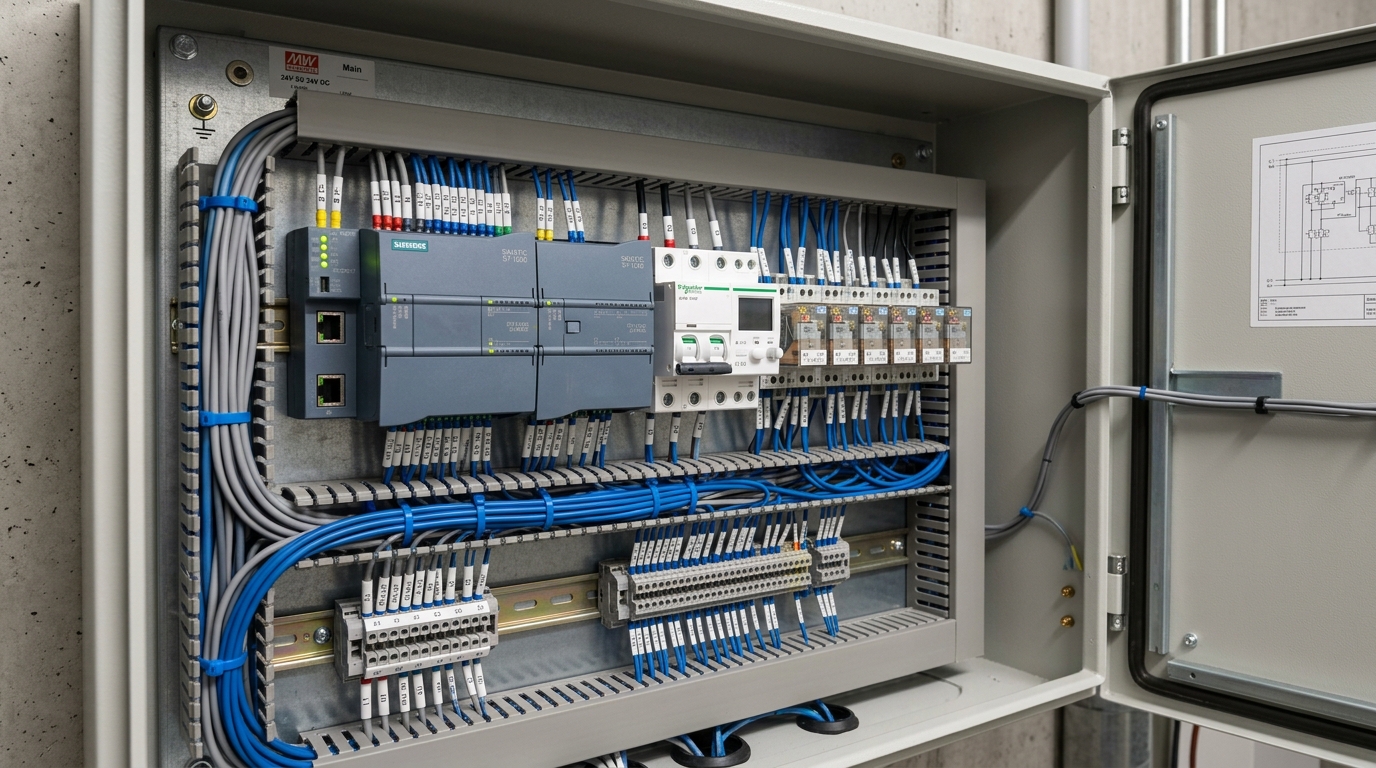
A Building Management System (BMS) provides centralized monitoring and control of selected building systems. RRABS supports BMS solutions for building automation, monitoring and control, helping facility teams gain better visibility over connected services and support more efficient operation.
Building Automation
Building automation uses controls, sensors, communication and software to automate selected functions within a facility. The goal is not automation for its own sake, but better operational control, consistency and visibility.
Learn More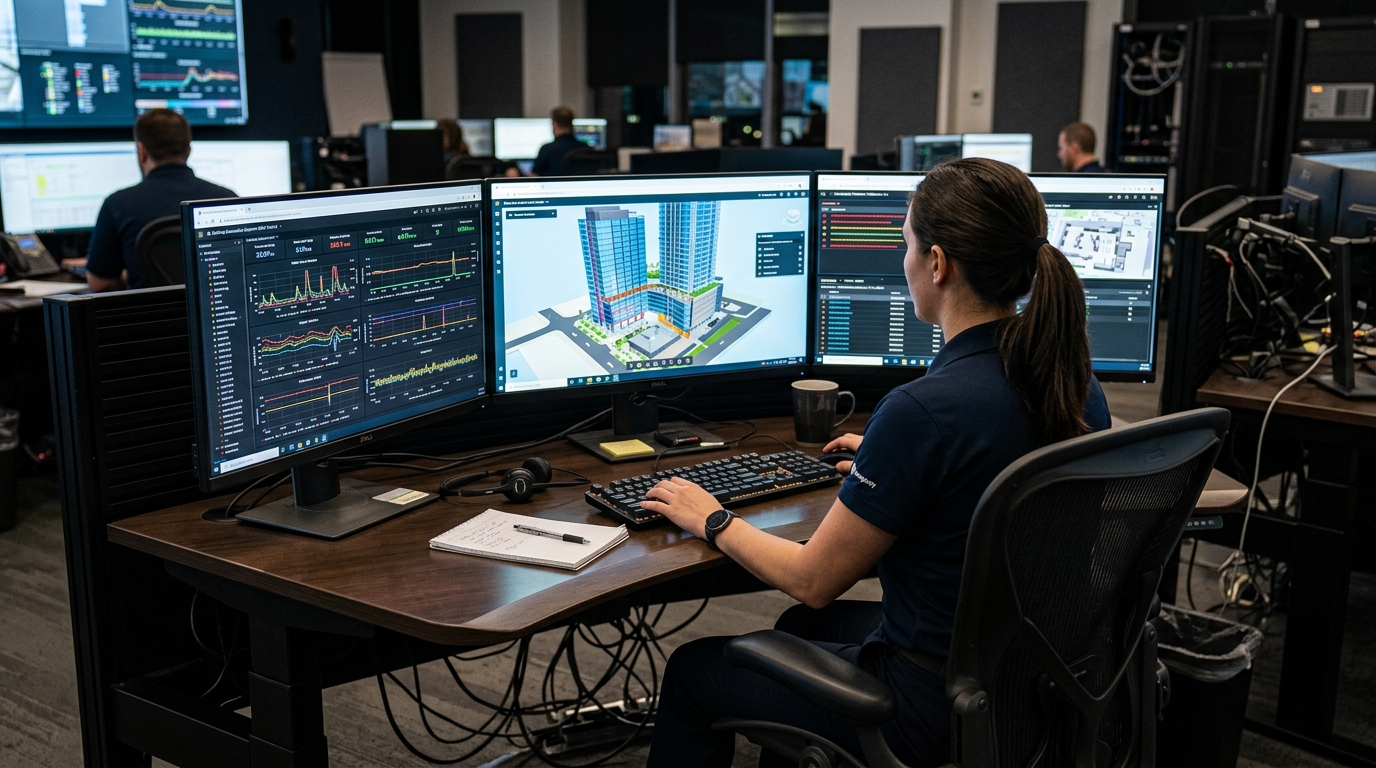
Monitoring & Control
A BMS can bring selected system information into a centralized interface, allowing facility teams to view operating conditions, alarms, statuses and control points according to the approved integration scope.
Learn MoreEnergy-Efficient Building Solutions
Monitoring how systems operate can help facility teams identify inefficient schedules, unnecessary operation or abnormal conditions. Actual energy savings depend on the building, equipment, controls, operating practices and the scope of automation implemented.
Learn More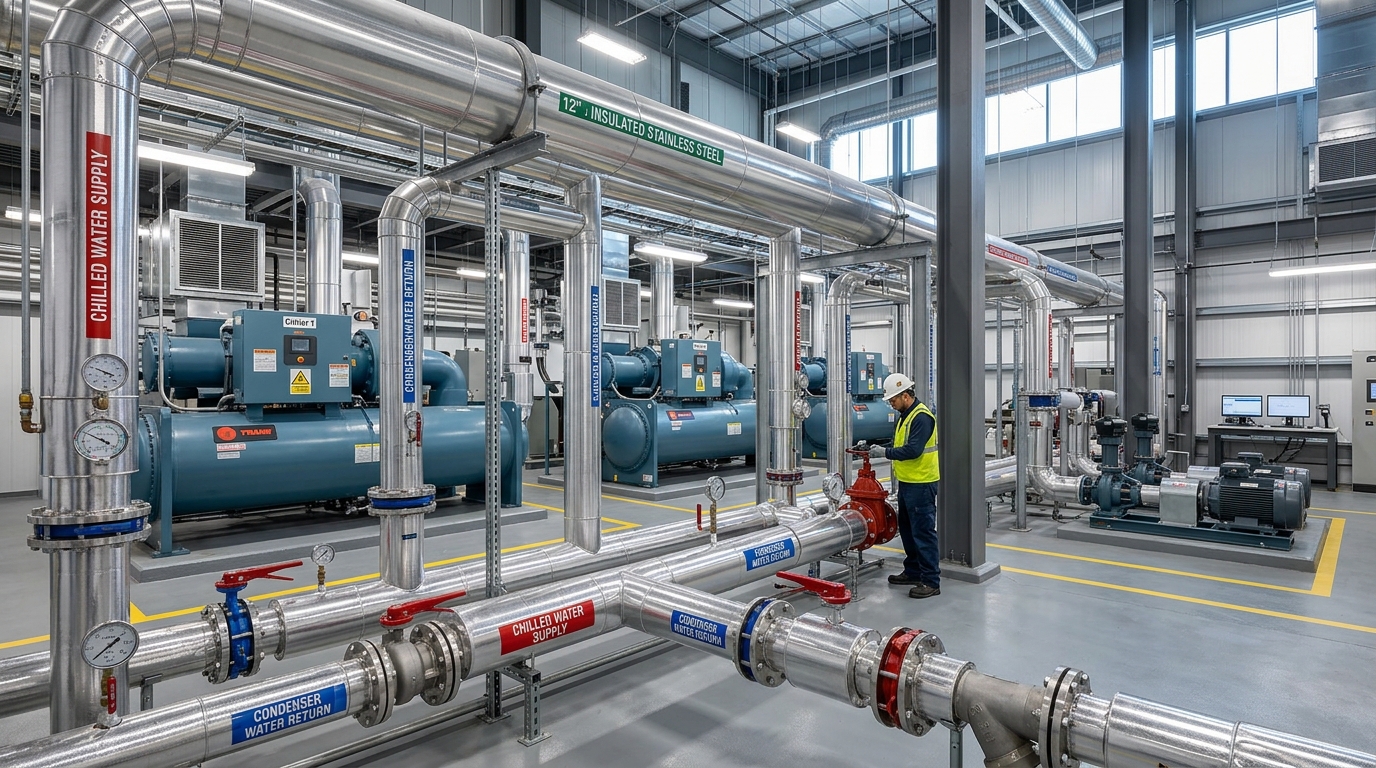
What Can a BMS Connect To?
Depending on equipment compatibility and project design, BMS can interface with selected HVAC, electrical, metering and other building systems. Every integration point should be confirmed technically before implementation.
Systems

Why BMS Matters
Large or complex facilities can be difficult to operate when every system is managed separately. Centralized monitoring can make information easier to access and help operations teams respond more consistently to system conditions.
Frequently Asked Questions
A Building Management System is a centralized platform used to monitor and control selected building services. It can collect information from compatible equipment and provide operators with status, alarm and control functions.
BMS is most valuable where the number of systems, equipment items or operating requirements justifies centralized control. Suitability depends on the building, operational needs, budget and integration scope rather than building size alone.
BMS can support energy-efficient operation by improving visibility, scheduling and control. The actual result depends on equipment efficiency, control strategy, building use and how the facility is operated.